A daily reminder · Qur’an
Ayah & Message of the Day
إِنَّ مَعَ الْعُسْرِ يُسْرًا
“Indeed, with hardship comes ease.”
Qur’an 94:6 · Meaning in English
Today’s reflectionLoading date…Refreshes automatically each day on this device.
 AL ZIYA-UL-SAQLAINCHARITABLE TRUSTFaith · Service · Community · Future
A Charitable & Religious Trust (Registered under Indian Trust Act, 1882)
Trust Regd. No. 96/2025 | 📍 Kadapa, Andhra Pradesh, India 🇮🇳 NEWExplore the proposed campus master plan for Masjid-E-Iliyas and Madrasa Ziya-ul-Uloom, including learning, recreation and cultivation spaces. This is a planning visual; the facilities are proposed and are not represented as completed.
View Masjid & Madrasa →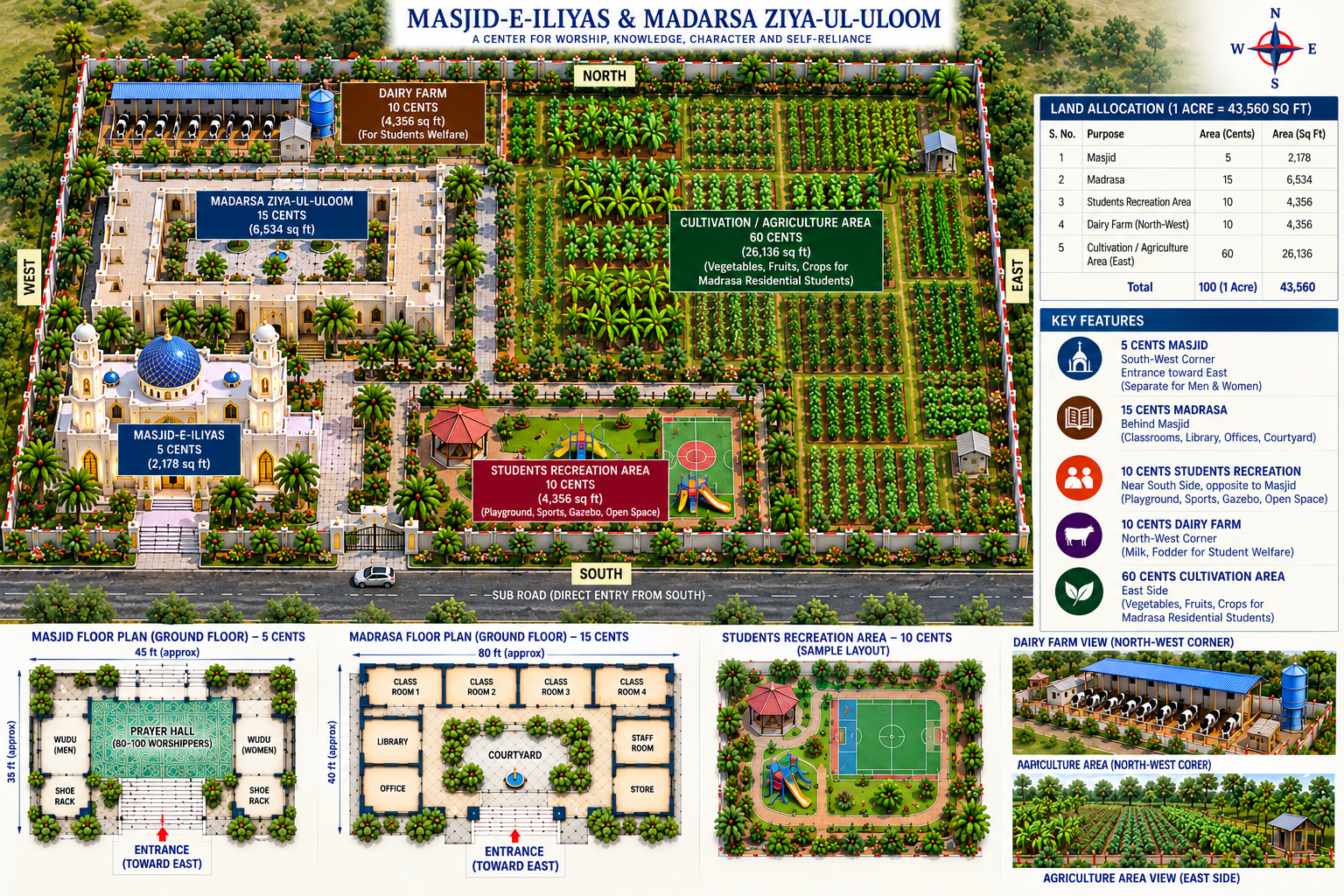
Al Ziya-ul-Saqlain Charitable Trust works for the welfare of communities through education, healthcare, food support, family empowerment and spiritual development.

إِنَّ مَعَ الْعُسْرِ يُسْرًا
“Indeed, with hardship comes ease.”
Qur’an 94:6 · Meaning in English
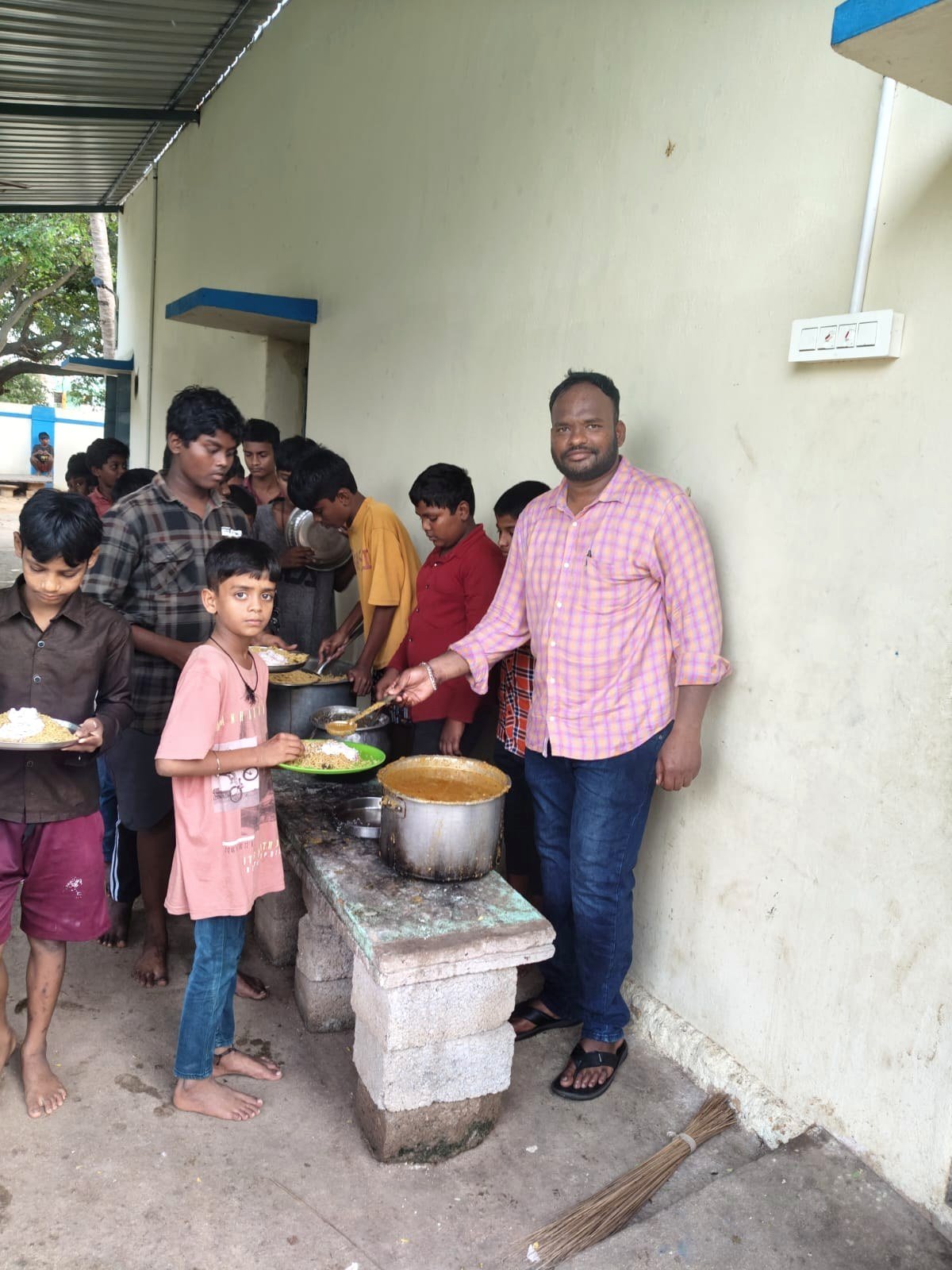
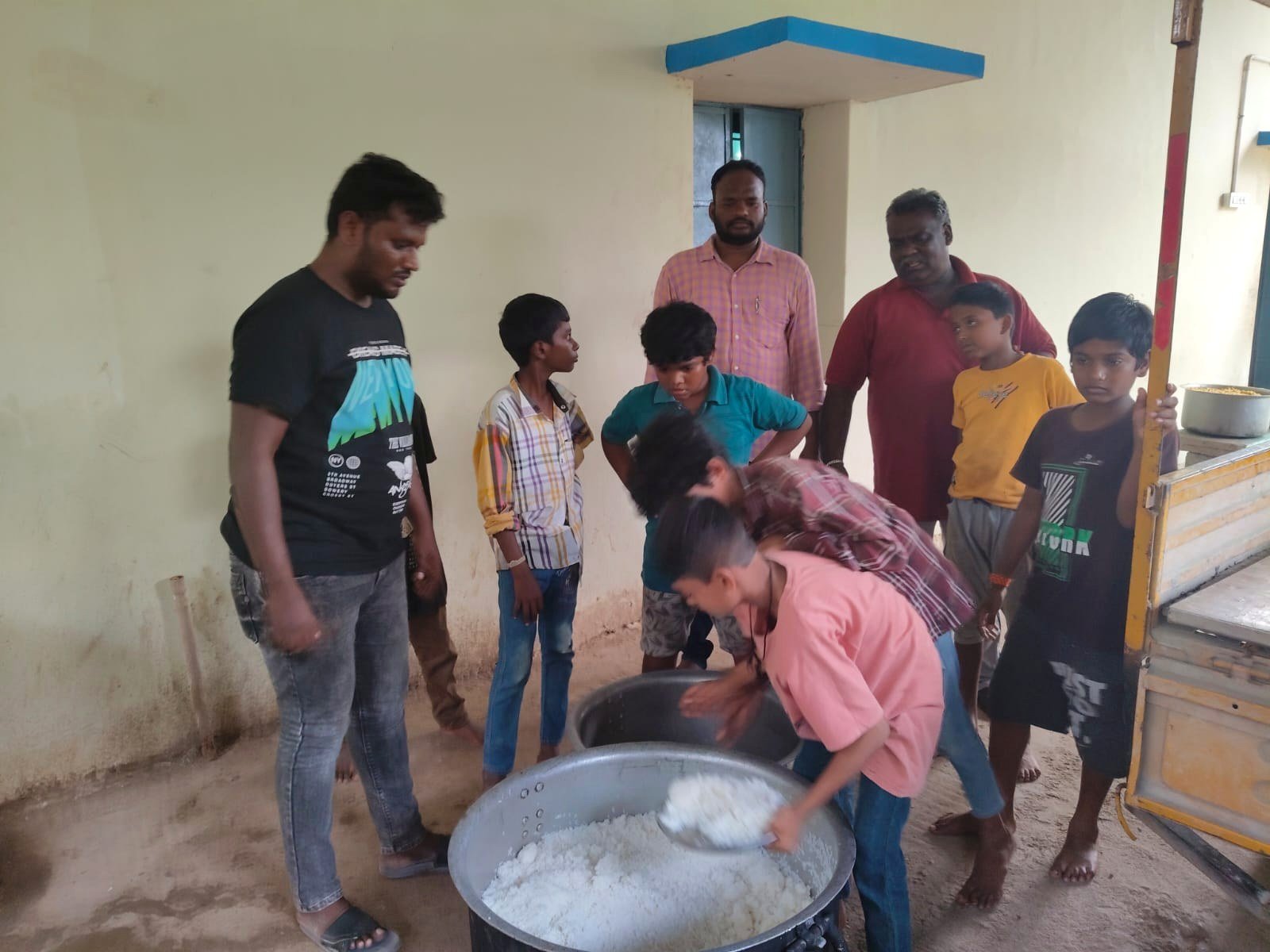
Al Ziya-ul-Saqlain Charitable Trust works to support dignity, learning and community wellbeing through service guided by compassion and responsible stewardship.
Inspired by Qur’anic guidance, we aim to turn kindness into practical service in our communities.
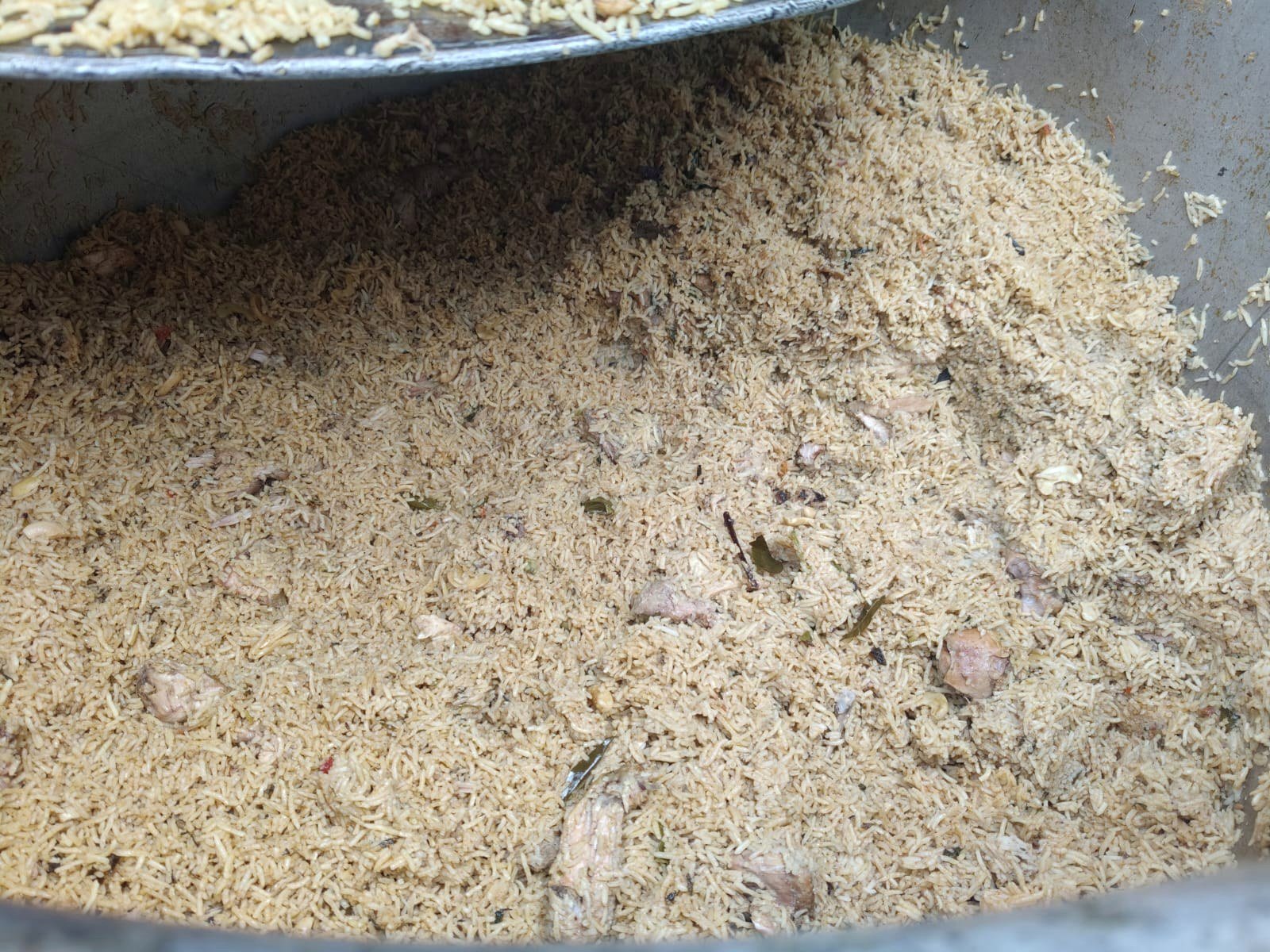
“And they give food, in spite of love for it, to the needy…” — Qur’an 76:8 (excerpt). Our food-support activity reflects this value through preparing and sharing meals.
The Qur’an describes the Prophet Muhammad ﷺ as a mercy to the worlds (Qur’an 21:107). Small acts of care, respect and service can help make that value visible in daily life.
We share activity photographs to document community service. We aim to report outcomes carefully and avoid unverified beneficiary totals or promises.
Explore community service →Choose a topic below to open its details. The full About Us information is organised in separate tabs rather than displayed all at once on the home page.
Know Our Purpose, People and Principles
Al Ziya Ul Saqlain Trust was founded by Dr. Iliyas Ali Shaik in the year 2025, with a vision to promote quality education, Islamic principles, ethical values, patriotism, and social responsibility. The Trust is registered under Registration No. 96/2026, Book IV, at the Sub-Registrar Office (SRO), Kadapa, Andhra Pradesh.
The primary objective of the Trust is to provide and promote quality education guided by Islamic teachings, moral values, discipline, and ethical principles. It seeks to empower individuals, particularly students and young people, with knowledge, character, and a sense of responsibility towards their families, communities, and the nation. The Trust aims to nurture patriotism, promote communal harmony, encourage mutual respect, and inspire citizens to contribute positively to the development and unity of India.
Another important objective of Al Ziya Ul Saqlain Trust is to create legal awareness and strengthen constitutional consciousness among people. The Trust aspires to educate communities about their fundamental rights and duties, constitutional principles, equality, justice, liberty, and the rule of law. Through educational programmes, awareness campaigns, community initiatives, and social welfare activities, the Trust intends to encourage responsible citizenship and help people understand and exercise their rights lawfully.
Guided by faith, ethics, knowledge, compassion, and service, Al Ziya Ul Saqlain Trust is committed to building an educated, morally responsible, legally aware, and patriotic society. Its long-term vision is to empower communities through education, uphold constitutional values, and contribute to a peaceful, inclusive, and progressive India.
“To build a compassionate, educated, and inclusive society rooted in faith, ethical values, and human dignity, with a special focus on empowering minorities and marginalized communities while promoting impartiality, equal opportunities, and selfless service to all, irrespective of caste, creed, religion, or social background.”
“To uphold patriotism, constitutional values, and national unity; empower minorities and disadvantaged communities; and serve all Indians with integrity and impartiality, beyond caste, creed, religion, or social status, advancing equality, justice, and inclusive national development.”
The leadership team provides direction, oversight and stewardship for the trust’s mission.
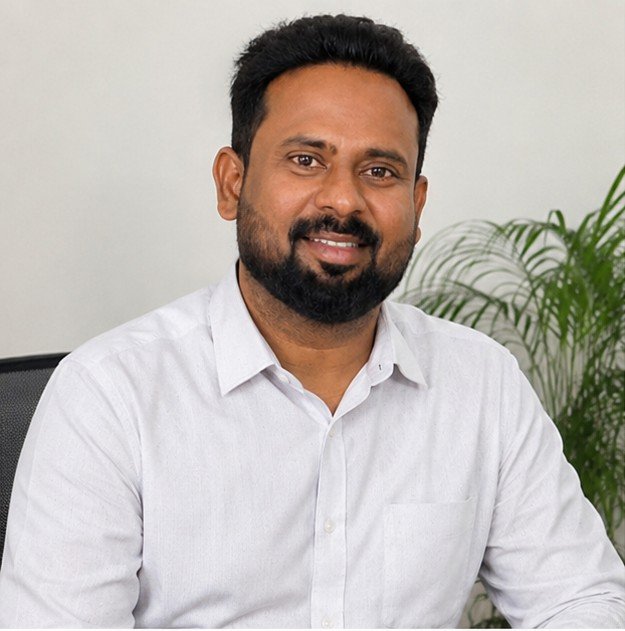
Founder and Chairman
Our trust was established with a sincere commitment to serve people through education, healthcare, relief of poverty and community welfare. We will strive to steward every contribution responsibly, work with compassion and dignity, and carry out activities within our registered deed and applicable law. I invite community members and well-wishers to join us in building practical, lasting support for those who need it.

Vice-Chairperson & Treasurer
Meaningful service grows when people and institutions work together with honesty and purpose. We aim to support learning, health, skills and livelihood opportunities, while encouraging inclusive participation and careful documentation of our work. Every partnership should strengthen public benefit and remain aligned with the trust deed.
General Secretary
Good intentions must be supported by organised action, clear records and accountability. We will work to coordinate activities, communicate openly with volunteers and partners, and maintain appropriate records of programmes and resources. We welcome constructive ideas that help the trust serve communities fairly and responsibly.
Officer names and designations below are transcribed from the appointment orders supplied to the trust website project. Leadership office-bearers are listed in the Leadership tab to avoid repeating the same profiles here.

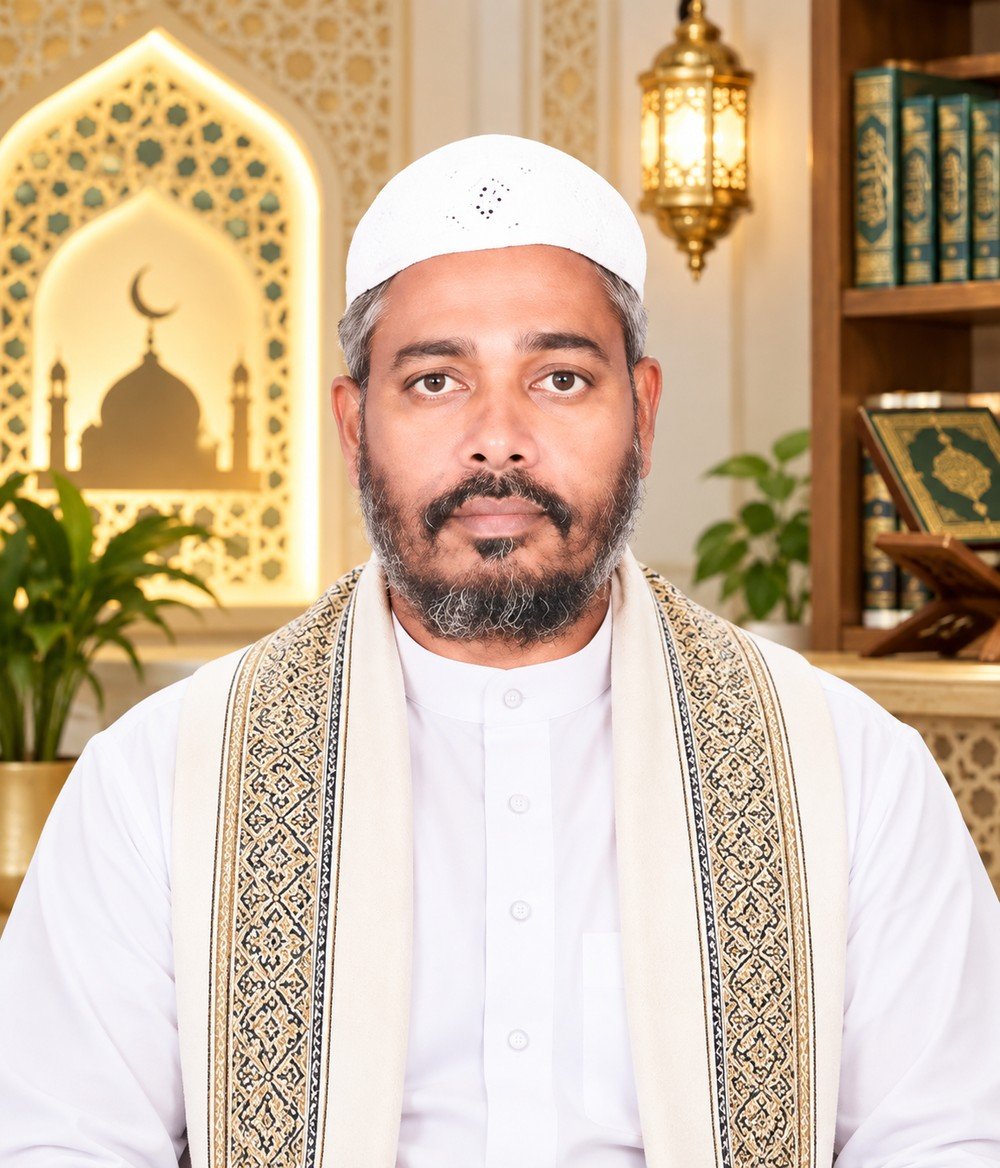
Principal, Madrasa Ziya-ul-Uloom
Hafiz-e-Quran from Madarsa Faize-e-Abrar, Kadapa, Andhra Pradesh, and an eminent Islamic scholar who will guide Qur’an learning and teach students at the madrasa.

Executive Director – Operations (Projects, Development & CSR)
Coordinates operational planning, project implementation, development activities and CSR engagement within the authority delegated by the trust.

Executive Director – Human Welfare & Drug Rehabilitation
Coordinates human-welfare and rehabilitation-related programme work, with due regard to professional safeguards and applicable law.

Project Director – Child & Women Empowerment
Coordinates initiatives supporting children, women, family wellbeing and access to appropriate community resources.

Project Director – Scholarships & Livelihood Programs
Supports scholarship-related activities, educational access and livelihood development initiatives.

Project Director – Community & Social Services
Supports community-facing projects and social-service activities, including planning, coordination and programme follow-through.
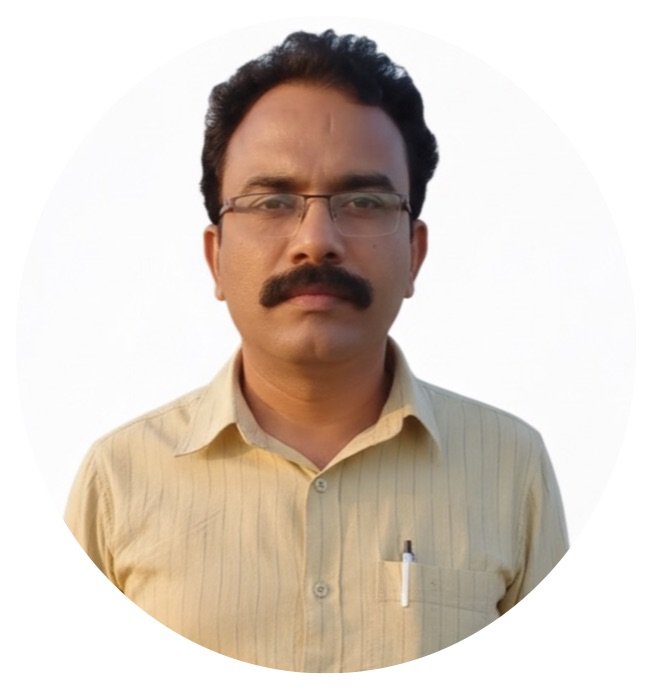
Advisory Member – Social Welfare & Policy
Offers advisory input on social-welfare priorities and policy considerations for community programmes.

Chief Medical Officer – Health & Welfare Division
Provides professional medical and health-welfare guidance for relevant trust activities, within applicable professional and legal requirements.
The trust aims to maintain clear records, responsible use of funds, lawful operations and transparent communication.
Our documented community meal activity in Chittoor district reflects a practical commitment to food support and direct service. Photos are presented as an activity gallery, not as a claim of unverified beneficiary totals.
“And they give food in spite of love for it to the needy, the orphan, and the captive.”Qur’an 76:8 · English rendering
Choose how you would like to contribute. Details appear when you select a topic.
We welcome responsible collaboration with businesses, institutions and community organisations.
Discuss community food support, education, welfare activities, measurable outcomes and documentation.
Start a CSR conversation →Explore practical partnerships aligned with the trust deed, applicable law and shared community goals.
Discuss an MOU →Complete the form to express interest in helping with food service, education, outreach, event support or administration.
Explore the Trust’s service priorities—from education and health to women’s livelihoods and community resilience. Activities are planned and delivered according to trustee approval, available resources and applicable law.

Food support is a direct way to serve neighbours with dignity. The Trust’s community-service activity includes meal preparation and distribution; future activities can be planned around locally assessed need, volunteer capacity and available donations.
Support: Volunteers, food supplies and eligible charitable contributions can help approved relief activities. Contact the Trust to confirm current needs and the appropriate donation route.
Families thrive when children can learn safely and women have access to knowledge, support and opportunities. This service area focuses on awareness, educational encouragement, family wellbeing and connections to qualified support providers when needed.
Activities should be delivered with safeguarding, consent, privacy and equal respect. The Trust does not replace professional medical, legal or child-protection services.
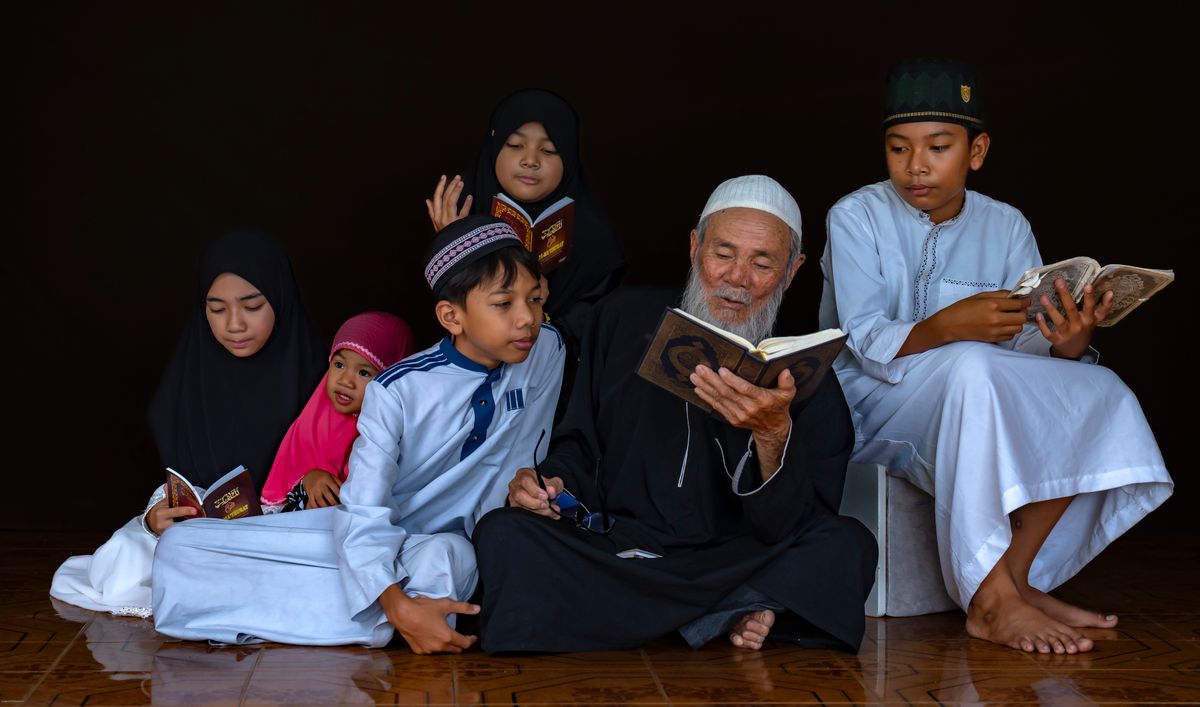
Faith-based learning can nurture character, knowledge, compassion and service. The Trust’s religious and educational focus includes access to Islamic learning resources and support for responsible study in a welcoming environment.
Translations and religious interpretations can differ. Learners should use reliable editions and consult qualified scholars for detailed religious questions.

Timely prayer information helps visitors plan their day around worship. Prayer schedules depend on the selected location, calculation method, time zone and local mosque or moon-sighting practice.
Open prayer times and calendar tools →
Prayer times shown online are informational estimates; local mosque announcements take precedence for congregation schedules.

Help learners access education through study materials, scholarship guidance, learning support and community-based educational opportunities.
How support helps: Approved education support may include books, stationery, learning sessions or scholarship guidance. Selection should use clear criteria and protect students’ personal information.

Promote prevention, health literacy and referral to qualified providers; medical activities depend on appropriate approvals and professional supervision.
Safe delivery: Diagnosis, prescriptions, treatment and clinical procedures must be handled by qualified, appropriately licensed professionals. Any camp or medical aid depends on approvals, funding and partner availability.

Offer needs-based assistance with essential supplies and practical support, prioritising dignity, fairness and the needs of vulnerable households.
Support women’s confidence, safety, financial capability and livelihood options through accessible learning, peer support and enterprise awareness.
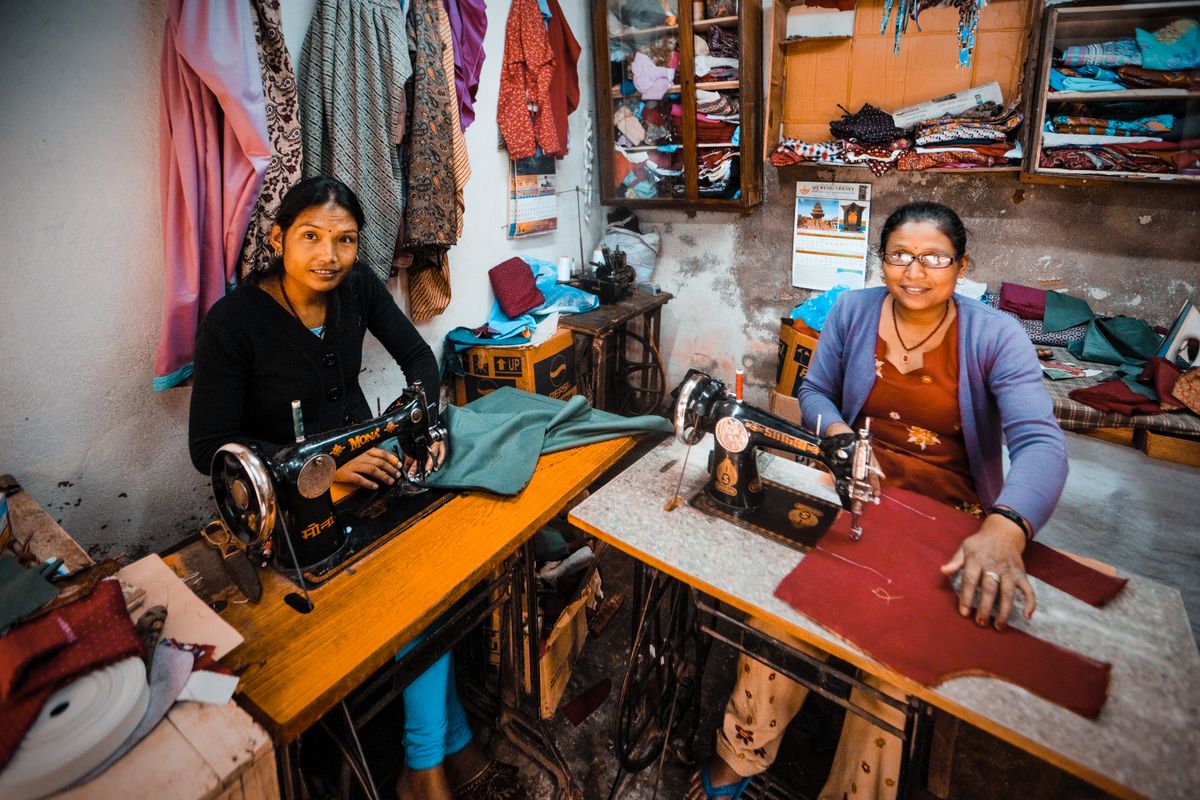
Prepare learners for work through technical introductions, digital literacy, job-readiness and links to suitable training or employment resources.
Training should be matched to local opportunities and delivered with competent trainers or recognised partners. Employment outcomes are not guaranteed.
Encourage responsible use of water and energy, cleaner neighbourhoods, waste reduction and locally suitable environmental action.
Support locally identified priorities such as safe water, sanitation, neighbourhood improvement and organised relief when emergencies arise.
During emergencies, follow instructions from district authorities and qualified relief agencies; prioritise safety, verified needs and transparent distribution.

Coordinate practical assistance and referrals for people facing acute hardship, with attention to safety, dignity and responsible distribution.
Recovery with dignity: Substance dependence is a health issue, not a reason for stigma. The Trust can promote awareness and help families find qualified treatment providers; it should not claim to provide clinical detoxification or rehabilitation unless a properly authorised service is in place.
In India, the Government’s de-addiction helpline is 14446; official information is available from the Department of Social Justice and Empowerment ↗.
Build transparent partnerships for suitable charitable projects, with clear responsibilities, documentation and compliance checks.
Develop accessible awareness sessions and learning materials on public welfare, community needs and responsible social participation.
Information sessions should use reliable sources and distinguish general awareness from formal legal advice. Research and outreach should respect privacy and accurately represent findings.
Support food assistance, community welfare, learning and other charitable activities. Please contact the trust to confirm the approved donation route and obtain an official receipt.
 SBIState Bank of India
Income-tax deduction: Donations towards eligible non-religious charitable purposes may qualify under Section 80G, subject to the Trust’s applicable approval status and statutory conditions. Religious donations are not automatically eligible.
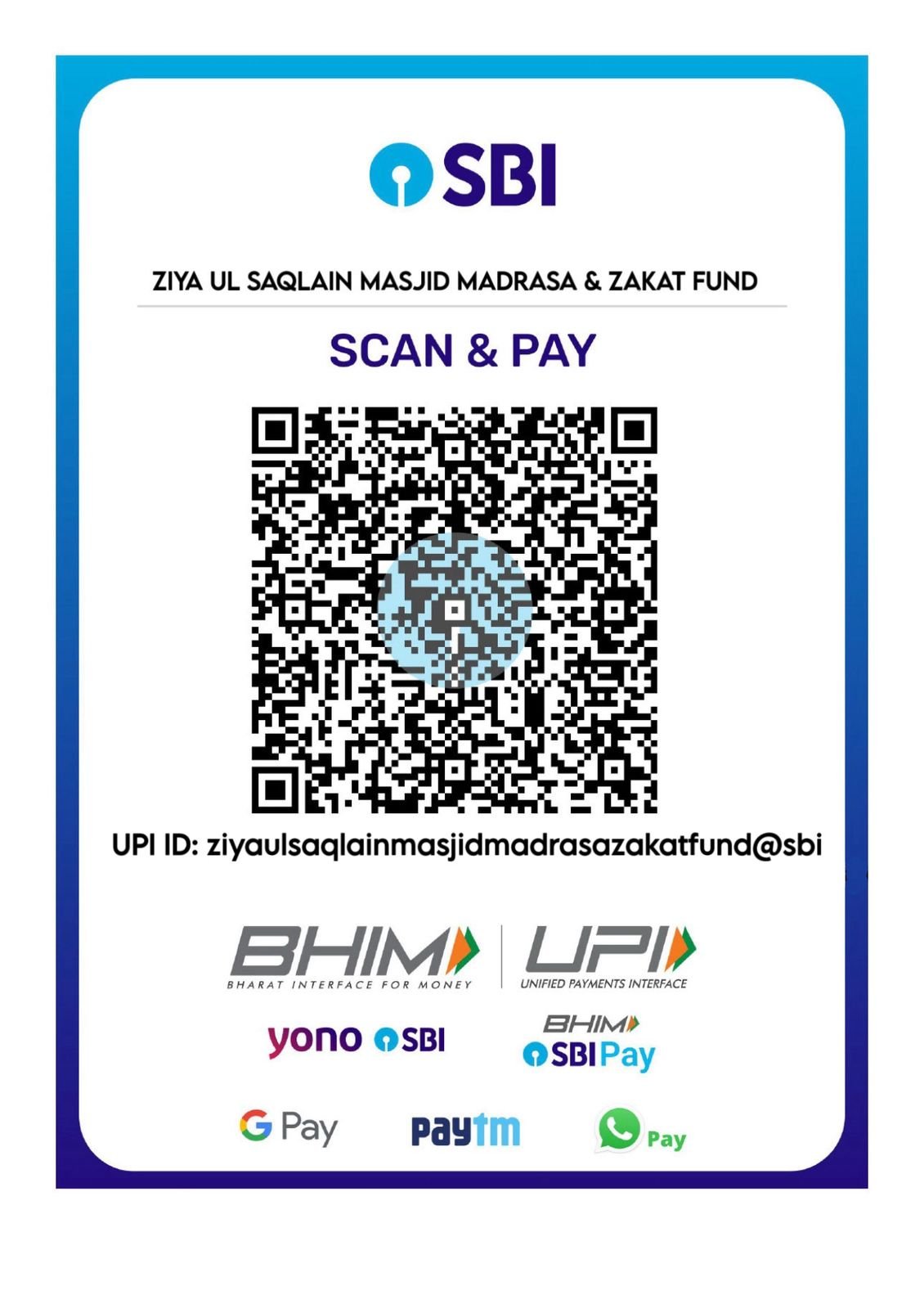
Scan with a UPI app to pay
 Current account · General charitable funds
For general charitable contributions to support the Trust’s public-welfare activities.
Please confirm the beneficiary details in your banking app before transferring. The SBI account shown above remains listed separately for the Masjid, Madrasa & Zakat Fund.
After making your donation through the QR code or bank transfer, share the details below to request an acknowledgement or receipt. For E-sal-e-Sawab, Zakat, Sadaqah or a specific purpose, please select the relevant category and describe the intention clearly.
Receipt issuance and any tax deduction depend on verification, the donation’s purpose, current approvals and applicable law. Religious-purpose donations are not automatically eligible for Section 80G deduction.
Estimate 2.5% Zakat on eligible net zakatable assets after your chosen nisab threshold and eligible immediate debts. This is a planning aid, not a fatwa.
Enter your asset values and a nisab threshold to calculate an estimate.
Zakat treatment differs by asset type, debt, ownership, lunar year, business structure and school of jurisprudence. Gold/silver jewellery, pensions, investments and long-term liabilities can require specific rulings. Ask a qualified scholar for your circumstances before paying.
Contributions intended for eligible religious activities, subject to the trust deed and applicable law. Please state the purpose clearly when contacting the trust.
Enquire about religious donations →Support food donation, education, relief and community welfare. Tax deduction eligibility depends on the applicable approval, donation purpose and statutory conditions.
Enquire about charitable donations →Discuss potential community projects, documentation, measurable outcomes and responsible reporting with our team.
Discuss CSR →We welcome enquiries from institutions, community groups and organisations interested in appropriate service partnerships.
Discuss an MOU →Share your skills, time and commitment to support education, Islamic learning, community welfare and the proposed Masjid-E-Iliyas & Madrasa Ziya-Ul-Uloom.
Al Ziya-ul-Saqlain Charitable Trust invites sincere volunteers to contribute their abilities in service of the community. These are voluntary service opportunities without honorarium or salary; they are not advertised as paid employment. Applicants may indicate their skills and preferred area, and the Trust will contact them if a suitable opportunity is available.
We respectfully invite people of goodwill to consider contributing from halal income toward the proposed construction and development of the Masjid and Madrasa. Donations are voluntary. Please use the official Donate Now section for bank/UPI details, confirm the intended purpose with the Trust, and retain transaction records. Do not send money to an individual or an unverified account.
For questions about the project or an intended contribution, contact the Founder and Chairman or the Vice-Chairperson & Treasurer through the official Trust contact details below.
Complete this form to send your application to the Trust’s registered contact inbox. After a successful server-side email submission, you will be redirected to a thank-you page. If the hosting server cannot send email, it will display an error and provide the Trust’s email address.
Contact the trust for general enquiries, charitable activities, donations and institutional discussions.
Trust contact: +91 976 976 0206
Chairperson: +91 944 100 0040
59/2-10-6, Near Chowdamma Gudi, Nabikota, Kadapa, Andhra Pradesh, India – PIN 516003
Masjid-E-Iliyas and Ziya-ul-Uloom
Neelakantharaopeta (V), Ramapuram Mandal, Annamayya District, Andhra Pradesh, India
Map shows the general locality; please verify the exact entrance/pin before travelling.
Explore the proposed religious and educational facilities, site photographs and progress videos shared by the trust. Architectural renderings are illustrative, not photographs of completed buildings.
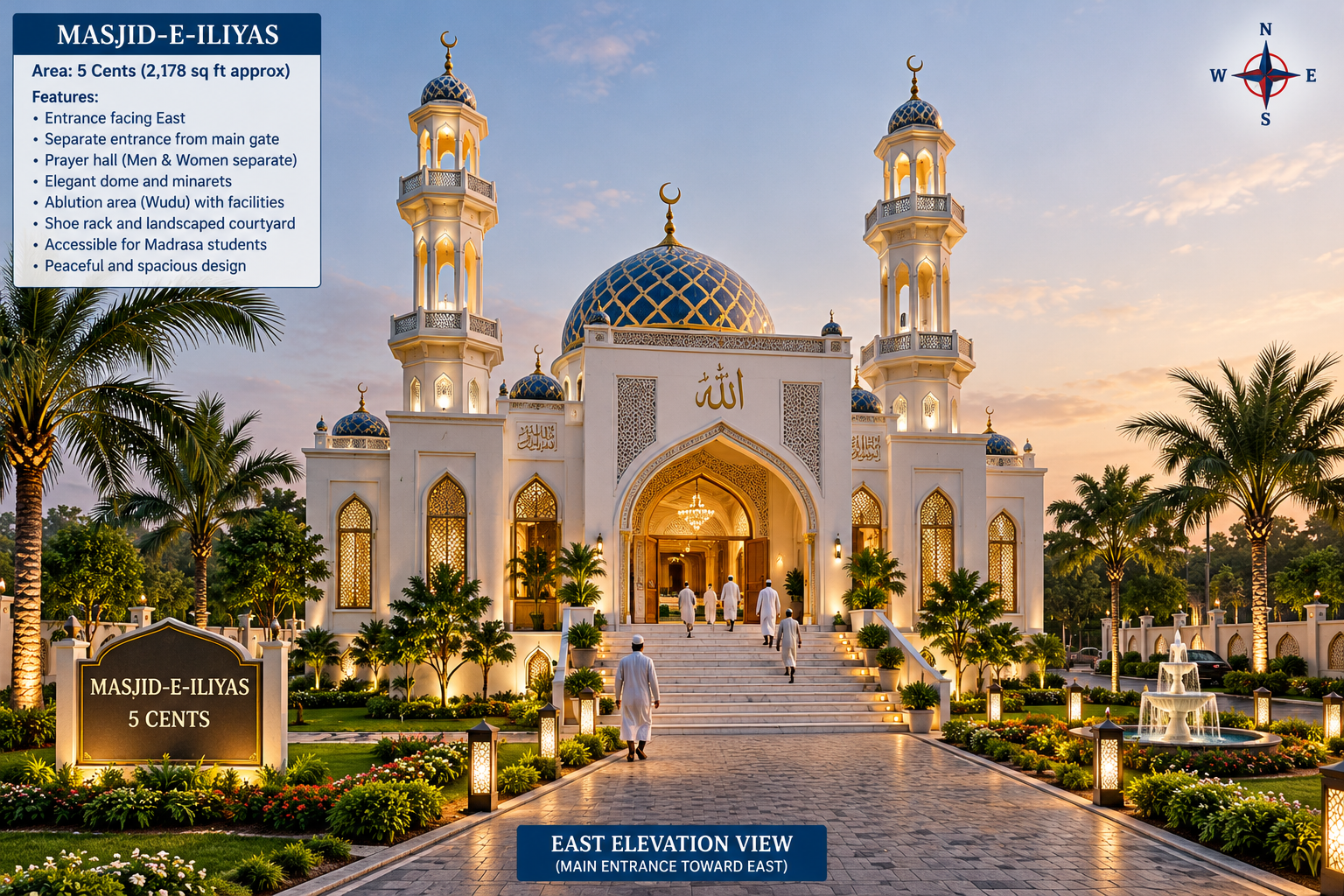
Religious services and a place for community worship and learning. Site development and activities are subject to approvals, available resources and applicable requirements.

A proposed learning focus for Qur’an education, foundational Islamic studies and community learning. This architectural rendering is illustrative and does not imply that construction is complete.
A practical learning pathway for children and learners at different stages. These are suggested course options for planning; subjects, duration, admission criteria and availability should be confirmed with the Trust before enrolment.
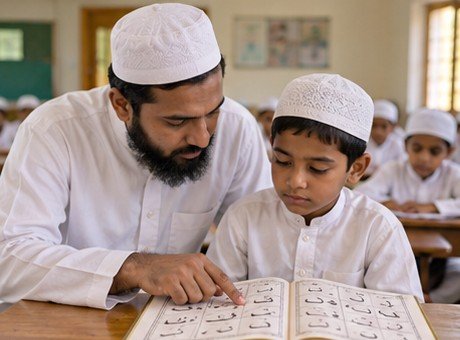
Arabic letters and sounds, letter joining, short vowels, reading practice and respectful handling of the Qur’an. Learners progress at their own pace with teacher-guided revision.
Foundation level
Build fluent recitation through regular reading, correct articulation (makharij), essential Tajweed rules and supportive correction by a qualified teacher.
Recitation pathway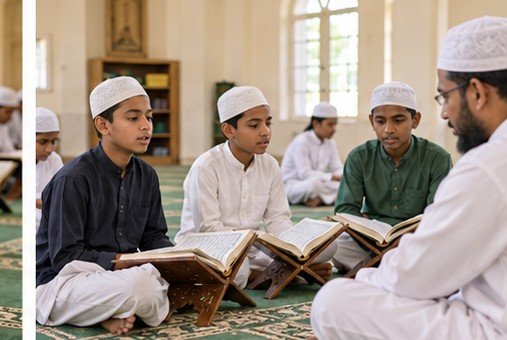
A structured memorisation pathway with new lesson practice, recent and long-term revision, listening checks and individual progress review.
Memorisation pathway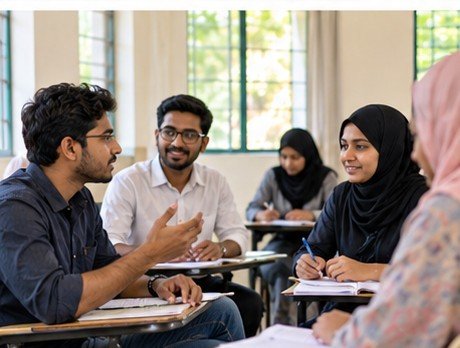
A proposed staged programme that may cover Qur’an studies, Hadith, Seerah, Fiqh, Aqeedah, Arabic grammar, Islamic history and ethics under qualified scholars.
Advanced study · faculty dependent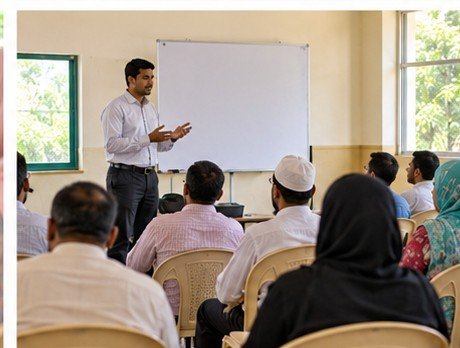
Strengthen everyday literacy through letters and sounds, reading comprehension, handwriting, spelling, useful vocabulary and practical writing in English and Urdu.
Language and literacy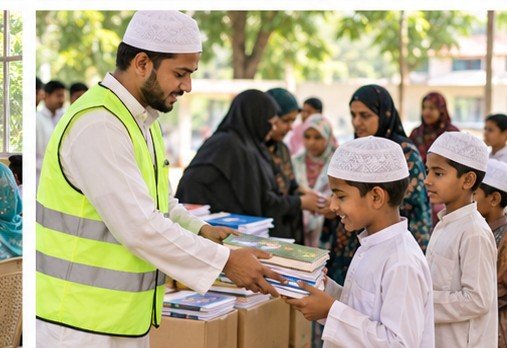
Learn the Arabic alphabet, essential vocabulary, simple sentence patterns and introductory grammar to support Qur’an reading and basic comprehension.
Language support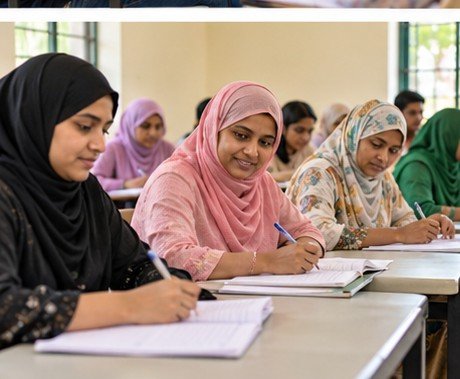
Age-appropriate learning about beliefs, cleanliness, prayer basics, daily duas, good character, honesty, respect, responsibility and service to others.
Age-appropriate learning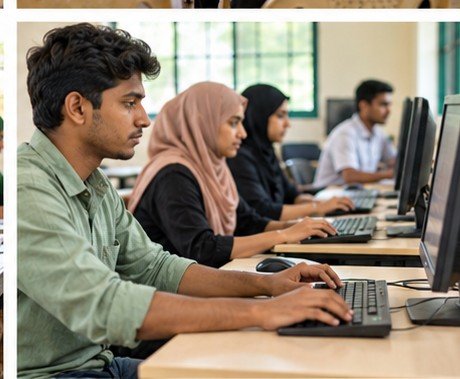
Designed specifically for Hafiz, Aalim and students educated primarily in traditional madrasa settings who have had limited exposure to modern general education. The proposed bridge helps learners build practical spoken English, everyday communication, foundational computer and digital literacy, study techniques and confidence for further learning or work—while respecting their existing Islamic education.
For Hafiz, Aalim and traditional-madrasa learners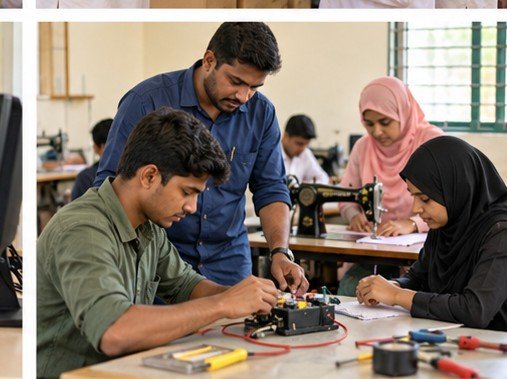
An introductory study of constitutional values, democratic institutions, citizenship, public duties and how to locate reliable official information.

Understand fundamental rights, equality, dignity, available grievance channels and where to seek qualified legal aid. This is awareness education, not legal advice.

Explore dignity, fairness, empathy, pluralism, peaceful conflict resolution and ethical choices in family, community and workplace settings.
Community learning
Build practical skills in speaking, writing, interviews, teamwork, presentations, workplace conduct and customer communication in locally supported languages.
Employability skills
Learn computer and smartphone basics, typing, documents, spreadsheets, email, online safety and how to use essential digital services confidently.
Digital skills
Introduction to tools, electrical safety, wiring concepts and solar energy systems. Any hands-on electrical work requires qualified trainers and supervised facilities.
Practical pathway · trainer required
Learn about common plumbing tools, pipe fittings, leak prevention, water-saving practices and basic maintenance. Practical work depends on safe facilities and trainer availability.
Practical pathway · trainer required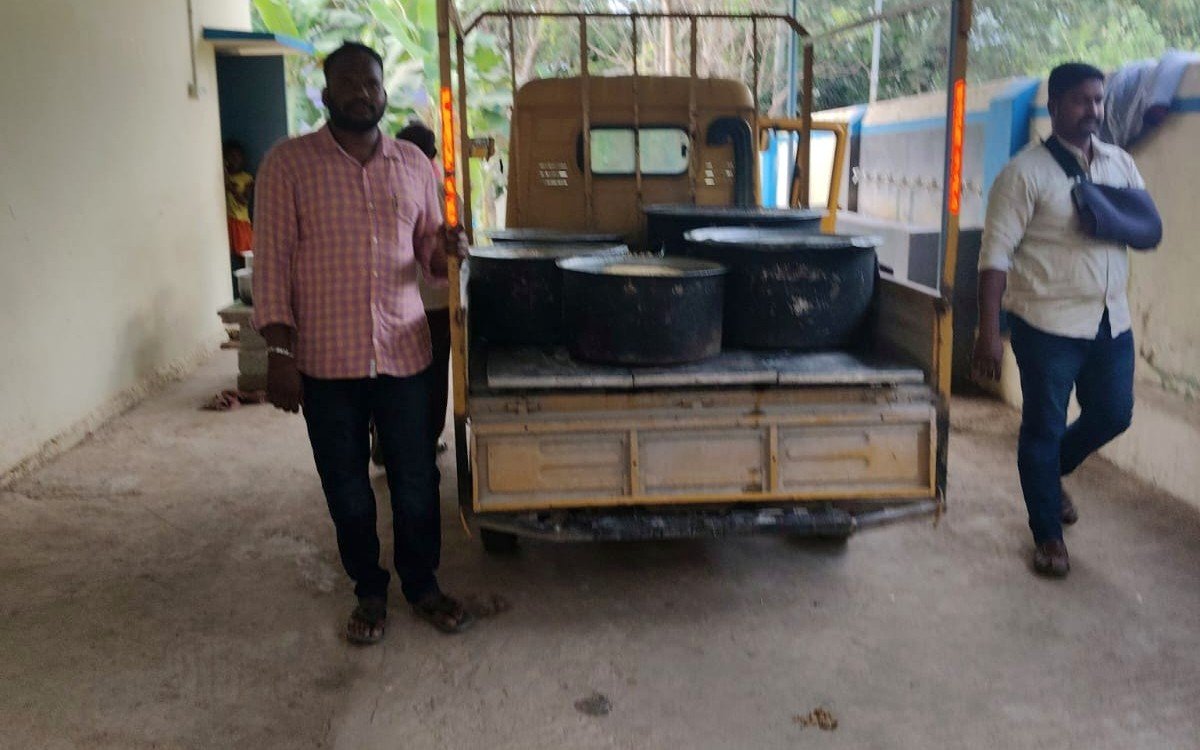
Explore cooling-system components, energy efficiency, maintenance awareness and safety. Refrigerant handling and servicing require qualified technical supervision.
Practical pathway · trainer required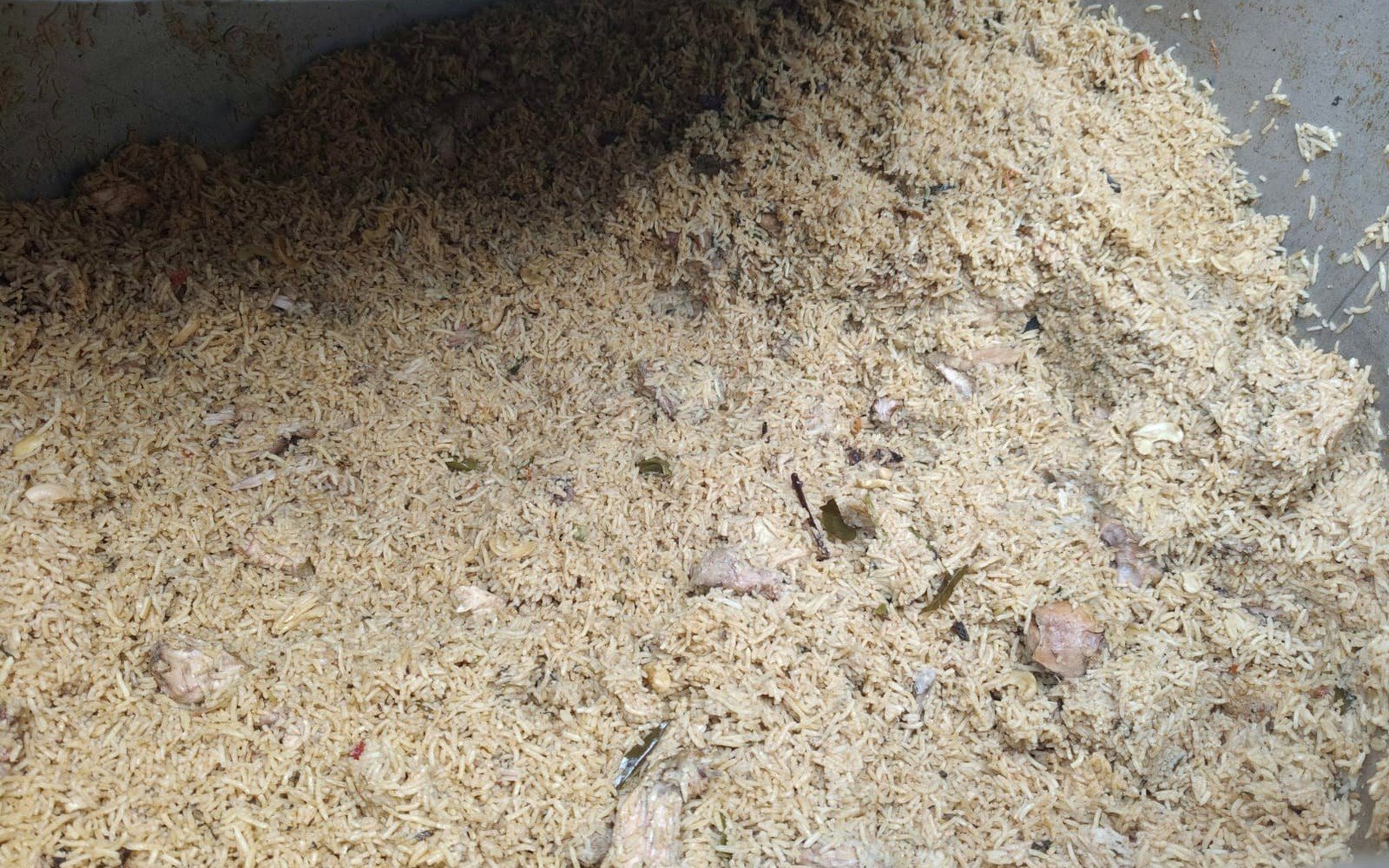
An introductory pathway covering device parts, fault identification, careful handling, basic troubleshooting and customer communication. Practical repair requires suitable tools and trainers.
Practical pathway · equipment required
Build practical sewing skills through measuring, cutting, machine safety, basic stitching, garment finishing, repairs and quality checking.
Livelihood skills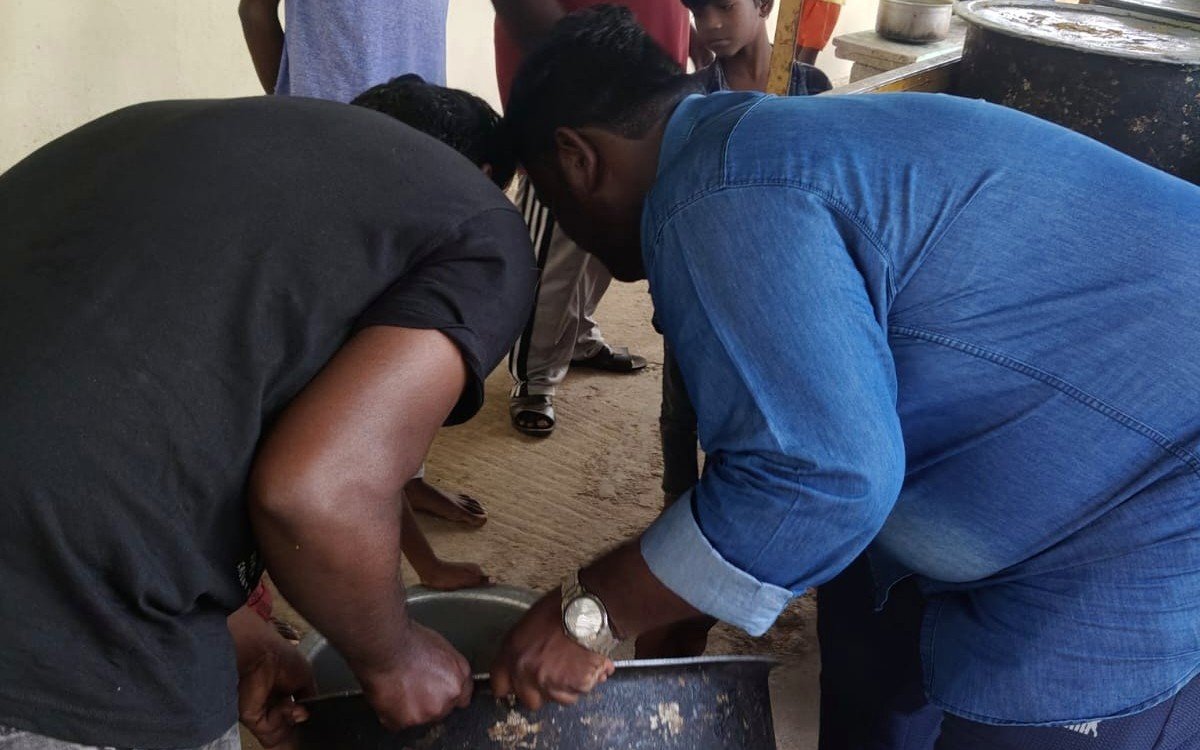
Develop small-business skills in budgeting, simple records, pricing, customer care, digital payments, marketing and responsible business planning.
Self-employment skills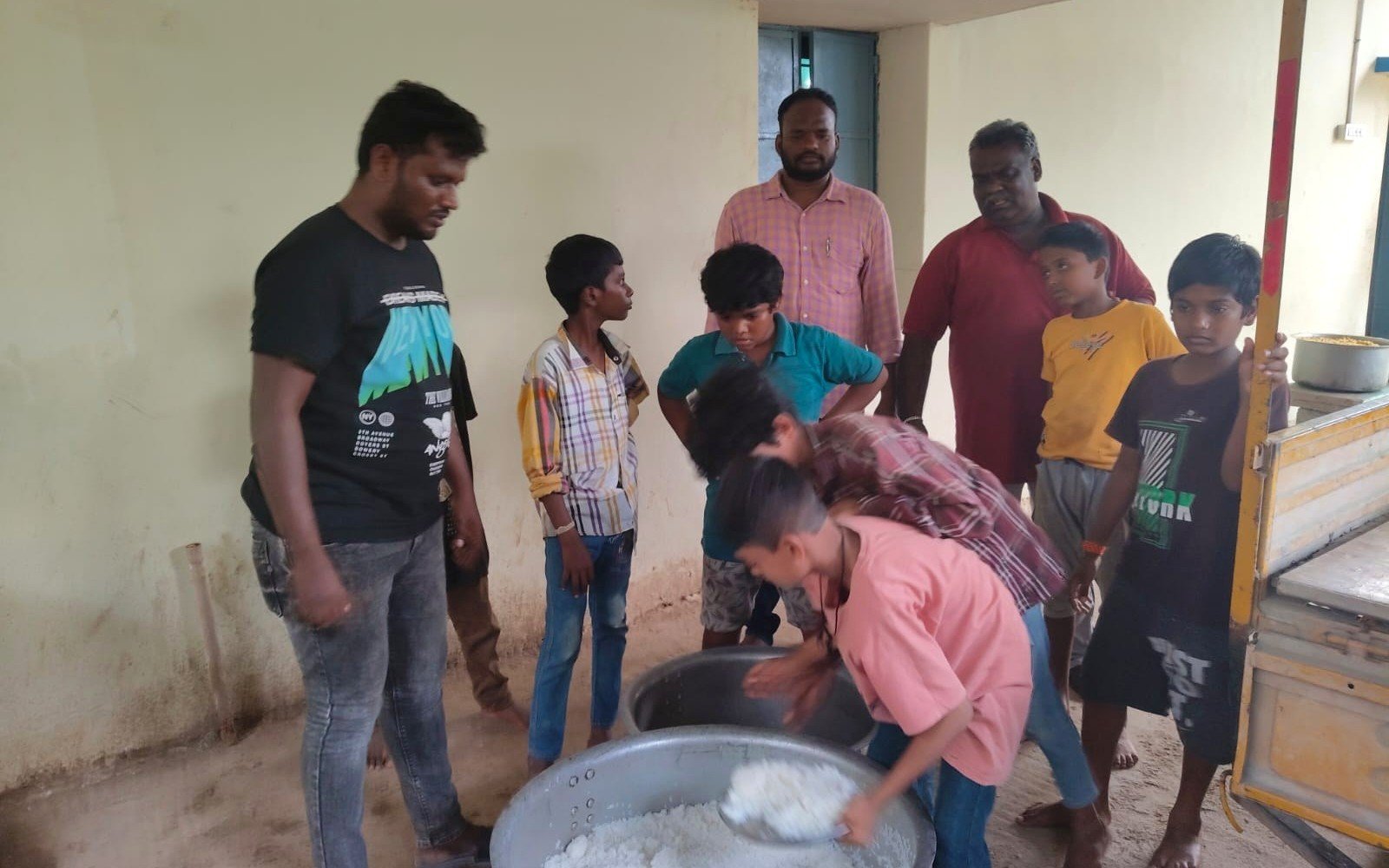
Practical learning in smartphone use, online safety, digital payments, savings, budgeting, banking awareness and accessing public services safely.
Women’s empowerment pathway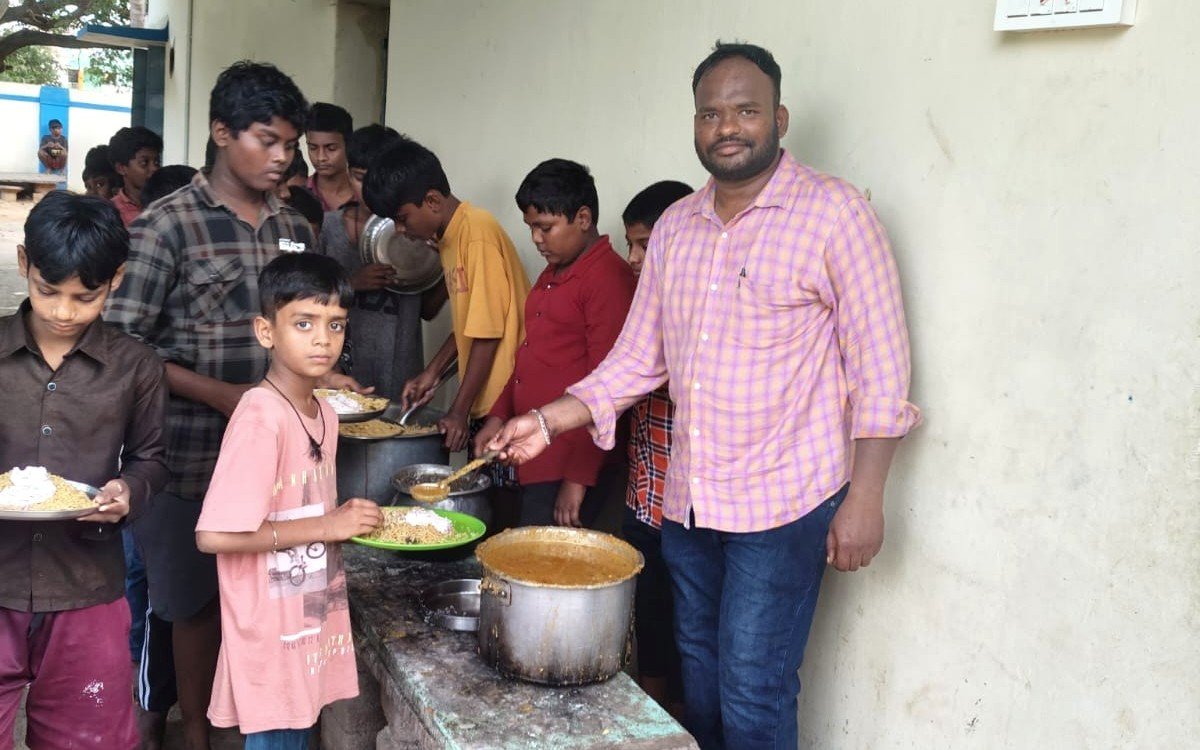
Explore safe food handling, hygiene, product planning, packaging, costing and local-market basics for women interested in home-based livelihood options.
Livelihood pathway · local rules apply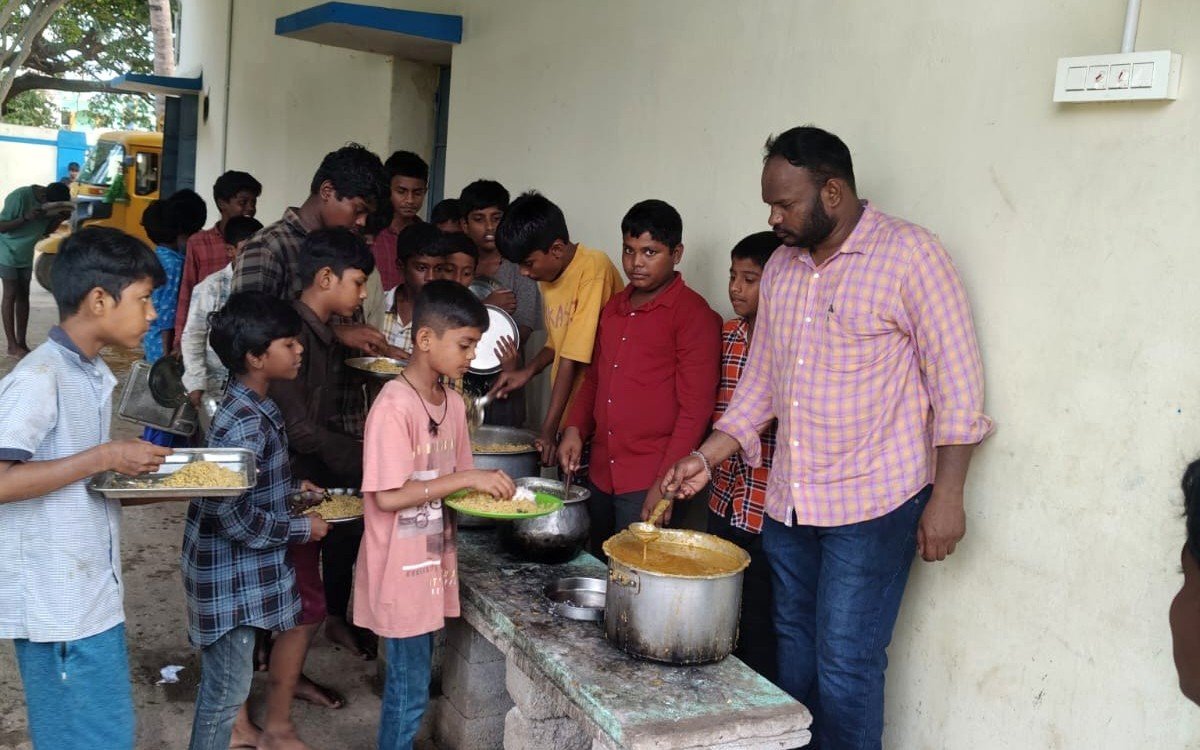
Promote informed choices about nutrition, hygiene, emotional wellbeing and family health, with referrals to qualified health professionals when needed.
Awareness and wellbeing
Raise awareness of dignity, equality, safety planning, respectful relationships and how to find appropriate official support or legal-aid services.
Awareness pathway · not legal advice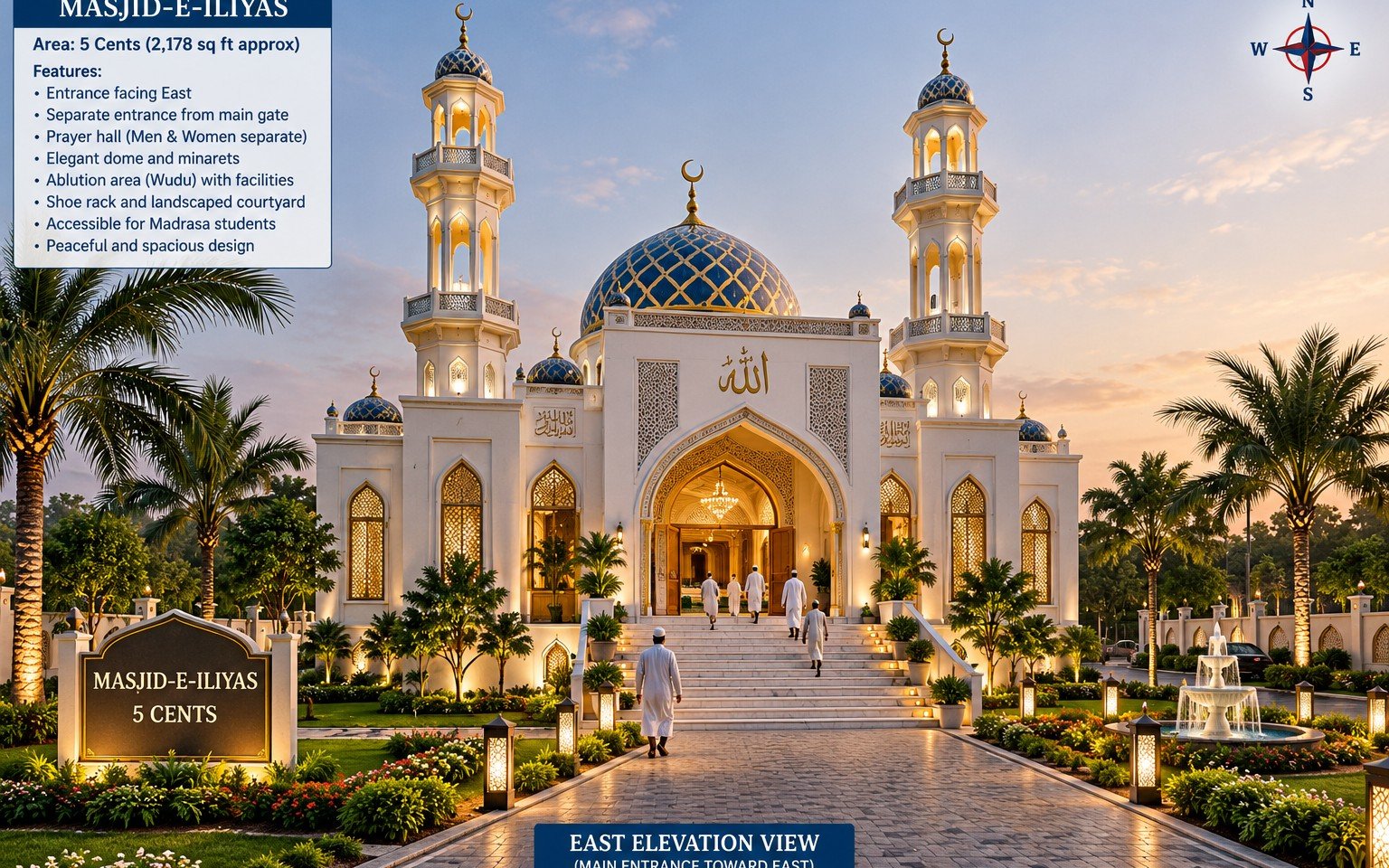
Build confidence in public speaking, decision-making, teamwork, negotiation, community participation and constructive communication.
Leadership development
Introduce group planning, savings discipline, basic bookkeeping, cooperative decision-making and responsible enterprise planning for self-help groups.
Group livelihood pathwayWomen’s development modules are designed to support confidence, safety, health awareness, financial capability and sustainable livelihoods. Delivery should be culturally respectful, accessible and led by suitably qualified facilitators.
These independent resources may help learners and families explore Qur’an text, Hadith references, English practice and school learning. They are external resources, not claimed Trust partners or substitutes for teacher guidance.
Founder and Chairman
Founder of Al Ziya-ul-Saqlain Charitable Trust, guiding its faith-inspired educational, welfare and community-service mission.
Principal, Madrasa Ziya-ul-Uloom
Hafiz-e-Quran from Madarsa Faize-e-Abrar, Kadapa, Andhra Pradesh. An eminent Islamic scholar, he will guide Qur’an learning and teach students at the madrasa.
Recent photos and clips provided for this website show the site and people during a visit. They are shared as visual updates, not as a certified construction report.
Video supplied by the trust.
Video supplied by the trust.
Video supplied by the trust.
SBI Bank DetailsSection 80G: Eligible non-religious charitable donations may qualify for income-tax deduction subject to current approval and legal conditions. Religious-purpose donations are not automatically eligible.
Scan & Pay using UPI
A welcoming space for Islamic learning, reading and responsible research using trusted Qur’an translations, Hadith collections and recognised scholarly resources.
Explore books and study resources related to Qur’anic understanding, Hadith, Islamic history, ethics and community service. Research and educational materials should be checked against reliable editions and qualified scholarship.
Encourage thoughtful reading of the Qur’an and study of Hadith with attention to translation, context, source references and scholarly explanation.
Open a trusted translation catalogue, choose a translation, then use the publisher’s PDF/download option where available. Translation wording and download formats vary by edition.
Browse recognised collections with searchable Arabic and translations. Study hadith in context and consult qualified scholars for interpretation.
Choose a language and download a PDF, EPUB or mobile edition where the publisher provides one. Save the file or use a supported reading app to read later without an internet connection. Translation and book licences vary, so follow the source terms.
Reflect on Qur’an 21:107, commonly translated as describing the Prophet as a mercy to the worlds.
Qur’an 16:90 calls believers to justice, excellence and generosity toward relatives.
Qur’an 4:58 instructs that trusts be rendered to whom they are due and that judgment be made with justice.
Qur’an 76:8 honours feeding those in need with sincere concern.
Practice humility, patience, respect, truthfulness, keeping promises and kindness to neighbours.
Use trusted translations and recognised scholarly resources; verify quotations and interpretations in context.
“The best of people are those who are most beneficial to people.”Widely cited hadith wording; verify source and grading before formal publication.
Explore the art, architecture, scholarship and living traditions of Muslim communities around the world.
Explore mosques, courtyards, geometric patterns, calligraphy, domes, minarets and regional building traditions.
Archnet architecture archive ↗Aga Khan Museum ↗Study Islamic history across different places and centuries, including science, trade, literature, cities and cultural exchange.
The Met: Art of the Islamic World ↗British Museum collection ↗Use translations and searchable collections as a starting point. Check edition, translation, context and scholarly commentary.
Qur’an reading & translations ↗Hadith collections ↗Telugu Qur’an translations ↗Choose your town and state for location-specific times. Calculations are estimates; local mosque timetables and scholarly guidance take precedence.
Today · India Standard Time (IST)
Sehri / Suhoor ends at the start of Fajr; the displayed Sehri end time therefore matches Fajr. Iftar time is shown as the calculated Maghrib time on fasting days. These are calculated estimates and local mosque timetables may differ by a few minutes. Default method: University of Islamic Sciences, Karachi; Hanafi Asr. Confirm with your local masjid, especially in Ramadan.